
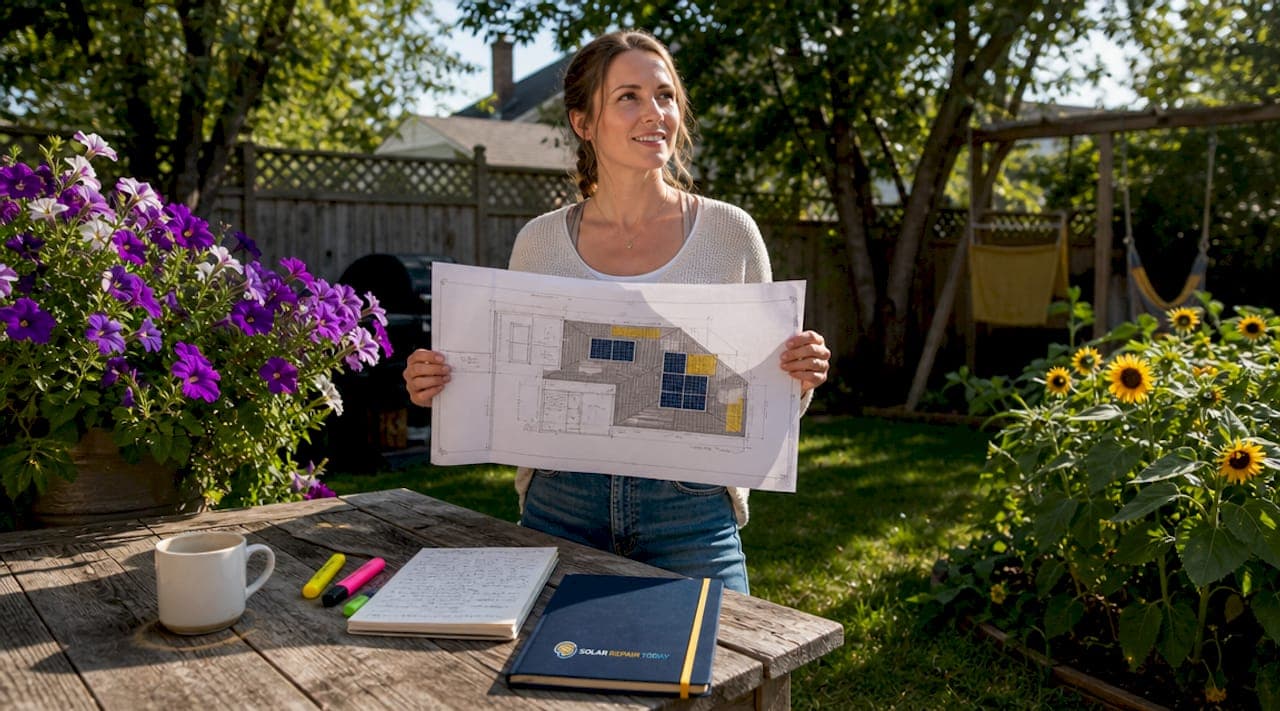
Solar system design is the process of selecting, sizing, and arranging all major components of a photovoltaic (PV) system to produce usable electricity from sunlight. What does solar system design include? At its core: solar panels, an inverter, a mounting system, electrical protection devices, monitoring equipment, and optionally, battery storage. A 12-step professional workflow covers everything from load analysis and site assessment to permit plan generation. Tools like SurgePV design software and components from manufacturers like SolarEdge are standard in professional residential design. Getting every element right from the start determines whether your system performs as promised or falls short of your energy goals.
What does solar system design include as core components?
A complete residential solar system contains 6 to 8 core components, with typical installations ranging from 5 to 10 kWp using 12 to 20 panels. Each component has a defined role, and a weak link in any one of them affects the whole system.
Here are the primary components of solar system design:
- Solar panels (PV modules): These convert sunlight into direct current (DC) electricity. Panel efficiency ratings typically range from 18% to 23%, with higher-efficiency panels from brands like Maxeon or REC Group producing more power per square foot.
- Inverter: Converts DC electricity from the panels into alternating current (AC) for home use. Inverter choice is critical: string inverters are standard for simple roofs, while microinverters and power optimizers from brands like Enphase or SolarEdge improve output on shaded or complex rooftops.
- Mounting and racking system: Secures panels to your roof or ground. Roof mounts use rails and clamps; ground mounts allow tilt angle adjustments for better sun exposure.
- Balance of System (BOS): Includes all wiring, conduit, disconnect switches, and surge protection devices. BOS components are essential for meeting NEC electrical standards and ensuring the system runs safely for 25 years.
- Monitoring equipment: Tracks real-time and historical production data. Systems like SolarEdge's monitoring portal or Enphase Enlighten let you spot underperformance before it becomes a costly problem.
- Battery storage (optional): Lithium-ion batteries from manufacturers like Tesla Powerwall or Enphase IQ Battery store excess solar energy for use at night or during outages.
Pro Tip: The inverter acts as the system's brain, managing energy conversion, safety shutoffs, and performance monitoring. Choosing the wrong inverter type for your roof configuration is one of the most common and expensive design mistakes.
Understanding inverter functions and options before signing any proposal helps you evaluate whether a contractor's component selection actually fits your property.
How is solar system sizing and site assessment performed?
Sizing is where most homeowner misunderstandings occur. The solar system design process starts with your actual energy consumption, not a salesperson's estimate.

Proper system sizing requires reviewing at least 12 months of utility bills to calculate average daily energy consumption and set a realistic production target. One month of data is not enough. Seasonal variation in usage and solar yield both affect the final system size.
The table below shows how key site factors shape design decisions:
| Site factor | Impact on design |
|---|---|
| Roof orientation | South-facing roofs in the U.S. produce the most annual yield; east/west splits reduce output by 10 to 20% |
| Roof tilt angle | Optimal tilt matches your latitude; flat roofs may require tilt frames |
| Shading sources | Trees, chimneys, or neighboring buildings require microinverters or power optimizers |
| Available roof space | Limits total panel count and system kWp capacity |
| Structural condition | Older roofs may need reinforcement before mounting |
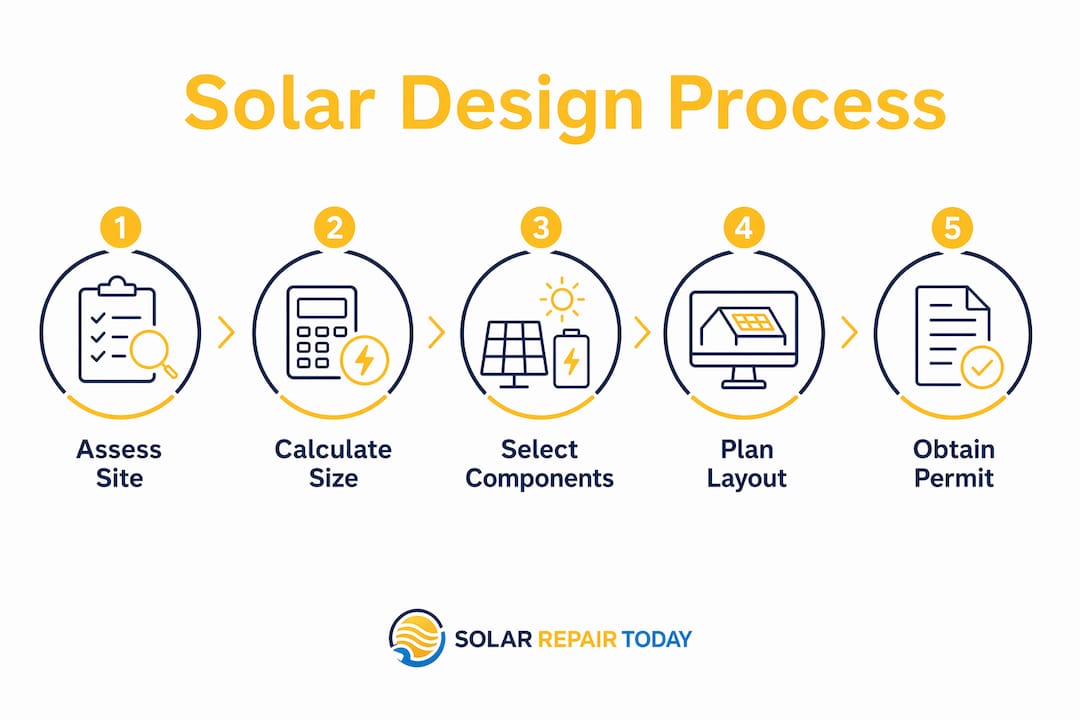
After gathering site data, designers calculate the required system size in kilowatts-peak (kWp) using daily consumption divided by local peak sun hours, then adjusted for real-world losses. System losses from temperature, soiling, and inverter inefficiency reduce actual output by 20 to 25% of nameplate capacity. That gap matters. A system sized purely on nameplate wattage will underperform every single year.
Solar design software like SurgePV or Aurora Solar condenses these calculations into under an hour and produces compliance-ready outputs. Manual calculations take 1 to 3 hours for an experienced designer.
Pro Tip: Oversizing your panel array relative to inverter capacity, using a DC-to-AC ratio between 1.1 and 1.3, maximizes energy harvest during peak hours with minimal clipping losses. A 7.7 kW panel array paired with a 6.0 kW inverter is a common and well-tested configuration.
For a deeper look at how sizing decisions affect your bill, the guide on why system size matters covers utility interconnection rules and production coverage in plain language.
What are the key planning and layout considerations?
Solar system layout and planning go beyond placing panels on a roof. This phase determines whether the system is buildable, safe, and legally compliant.
Panel layout design focuses on maximizing sun exposure while avoiding inter-row shading between panels. Designers use satellite imagery and shading simulation tools to map out exact panel positions. String configuration, meaning how panels are wired together in series or parallel, must match the inverter's voltage and current input limits. Incorrect string sizing causes inverter faults or voids warranties.
Electrical protection devices, including arc fault circuit interrupters (AFCIs), rapid shutdown systems, and ground fault protection, are not optional. These devices meet NEC and local fire codes and are required for permit approval in most U.S. jurisdictions. Many jurisdictions now offer expedited solar permitting processes, but documentation requirements remain strict.
Permit documentation typically includes:
- Single-line electrical diagrams
- Structural calculations confirming roof load capacity
- Site plans showing panel placement and setbacks
- Utility interconnection application forms
Pro Tip: Never operate your solar system before receiving formal Permission to Operate (PTO) from your utility. Operating before PTO can result in disconnection, fines, and voided net metering agreements.
The solar permitting checklist published by Solarrepairtoday covers NEC standards and local requirements in detail, which is useful reading before your installer submits plans.
How do design choices affect long-term performance and cost?
Every component selection in the solar system configuration directly affects output, maintenance costs, and financial return over the system's 25-year lifespan.
Cumulative system losses are the most underestimated factor. Temperature reduces panel output on hot days. Soiling from dust or bird droppings cuts production. Wiring resistance and inverter inefficiency add further losses. Most homeowners expect nameplate wattage but real-world output falls 20 to 25% below that figure. A properly designed system accounts for these losses upfront so the sizing still meets your annual consumption target.
Inverter type affects both performance and cost over time. String inverters cost less upfront but deliver lower output on partially shaded roofs. Microinverters cost more per panel but extend system life and simplify fault diagnosis. Power optimizers from SolarEdge offer a middle ground: panel-level optimization with a central inverter.
Battery storage adds upfront cost but changes the financial equation in areas with time-of-use rates or unreliable grid power. The decision to include storage should be based on your local utility's net metering policy and export limits, not just backup power appeal. Designing to 100% of annual consumption without checking export limits can produce a system that wastes generated energy and delivers poor financial returns.
Key design factors that affect long-term ROI:
- Component quality and warranty terms (panels rated for 25 years, inverters for 10 to 15 years)
- Monitoring capability to catch underperformance early
- BOS quality, since undersized wiring and cheap disconnects shorten system life and create safety risks
- Flexibility for future battery or EV charger additions
Understanding every part of your installation cost before signing a contract prevents surprises and helps you compare proposals accurately.
Key takeaways
Solar system design requires accurate sizing, quality component selection, and code-compliant planning to deliver reliable performance over a 25-year lifespan.
| Point | Details |
|---|---|
| Core components | Every system needs panels, an inverter, mounting, BOS, and monitoring at minimum. |
| Sizing accuracy | Use 12 months of utility data and account for 20 to 25% real-world losses in calculations. |
| Inverter selection | Match inverter type to roof complexity; microinverters outperform string inverters on shaded roofs. |
| Permitting requirements | Submit single-line diagrams, structural calculations, and site plans before installation begins. |
| Long-term ROI | Component quality, monitoring, and BOS durability determine financial returns over 25 years. |
What homeowners consistently get wrong about solar design
Most homeowners I work with arrive at the design conversation focused on panel count and price per watt. Both matter, but they're downstream of the real decisions. The inverter type, the DC-to-AC ratio, and the BOS component quality are what separate a system that performs for 25 years from one that needs a costly redesign at year seven.
The second consistent gap is permitting. Homeowners assume the installer handles it and move on. That's partially true, but you need to understand what's being submitted on your behalf. A single-line diagram that doesn't reflect the actual installed configuration can delay your PTO by weeks and create liability issues. Asking your installer for a copy of the permit package before installation starts is not overreach. It's due diligence.
Battery storage decisions also get rushed. The right time to plan for battery integration is during the original design phase, not after installation. Adding storage later often requires inverter replacement or additional wiring runs that add significant cost. If there's any chance you'll want backup power in the next five years, design for it now.
Finally, local net metering rules should shape your system size before any other factor. A system sized to cover 120% of your consumption sounds appealing until your utility caps exports at 10 kW or charges you for excess generation. Know the rules first, then size the system.
— David
Get an independent review before you commit
Signing a solar contract without an independent review of the proposal is one of the most common and avoidable mistakes homeowners make. Solarrepairtoday's solar proposal review service gives you an expert assessment of system sizing, component selection, pricing, and red flags before you sign anything.
If battery storage is part of your plan, the battery proposal review covers storage sizing, brand selection, and integration costs in detail. For homeowners evaluating financing options, the financing review service breaks down loan terms, interest costs, and total system cost so you can compare offers accurately. Submit your proposal through the "Before You Sign" intake program at Solarrepairtoday and get clarity before you commit.
FAQ
What does solar system design include at a basic level?
Solar system design includes solar panels, an inverter, a mounting system, electrical protection devices, and monitoring equipment. Battery storage is optional but increasingly common in residential installations.
How many panels does a typical residential solar system need?
A standard residential system uses 12 to 20 panels to achieve a 5 to 10 kWp capacity, depending on panel efficiency and household energy consumption.
Why does inverter type matter in solar system design?
Inverter type determines how well the system handles shading and roof complexity. Microinverters and power optimizers outperform string inverters on roofs with partial shading or multiple orientations.
What documents are required for a solar permit?
Most jurisdictions require a single-line electrical diagram, structural calculations, a site plan showing panel placement, and a utility interconnection application before approving a solar installation.
What is Permission to Operate and why does it matter?
Permission to Operate (PTO) is formal utility approval to run your solar system on the grid. Operating without PTO can result in fines, system disconnection, and loss of net metering eligibility.